
Planning a tea party can be the perfect excuse to gather your gal pals for a bridal shower, baby showers, or even a cozy Mother’s Day brunch. I once host an at-home celebration, and the cute décor, easy setup, and affordable treats made it extra delightful. Whether it’s a sweet sixteen or a birthday party, you can grab the time to make sharing moments of life more meaningful.
If you’re not sure where to start, you’ve landed in the right place. This post covers the little details that turn a traditional afternoon into something fun, memorable, and full of teatime foods. Just bring some ladies luncheon favorites, add special touches, and you’ve got everything you need to know for a tea party worth remembering—whether casually thrown or planned with extra care.
What’s the difference between afternoon tea and high tea?
When I first enjoyed afternoon tea at the Ritz in London, I understood why Brits call it a quintessentially British tradition. Traditionally served around 4 p.m., it was a fashionable 19th-century ritual introduced by Anna, Duchess of Bedford to fill the long gap between lunch and a late 8 p.m. dinner. The setting was often a low table in a parlor with comfortable chairs, perfect for a relaxing garden view, where guests could savor sandwiches, scones, cakes, and tiny sweet treats placed on tiered cake stands. It was a moment of propriety, civility, and quaint English custom, often seen as a daily treat or reserved for holidays and special occasions.
By contrast, high tea was rooted in working-class households, a hearty evening meal after the end of the workday, usually around 5 or 6 p.m. It was enjoyed at a high-back dining table, featuring a filling spread of meat dishes, breads, vegetables, cheese, and tea. Over time, these patterns evolved with society and different lifestyles, but both remain renowned. From Bettys Tea Rooms in Yorkshire (since 1919) to modern-day demand for bookings months in advance, the difference between the two still fascinates me whenever I sip tea, or even a glass of sparkling wine, in such timeless surroundings.
Why Host a Tea Party?
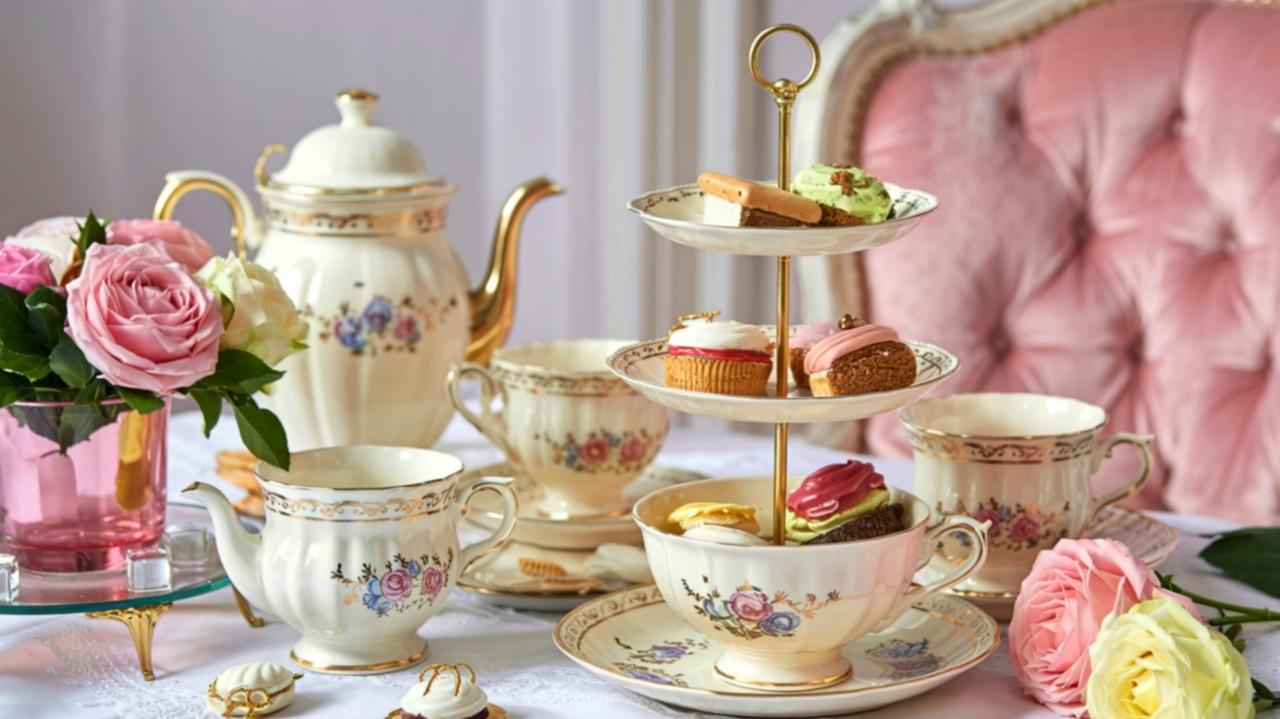
Hosting a tea party is more than just sharing snack and beverages—it’s about creating a fun and unique experience where people and guests feel honored and truly appreciated. I remember my first afternoon gathering with my parents and grandmothers, using delicate china and old tea sets that felt straight out of Bridgerton or a Jane Austen story; the elegant setting made the time feel like a step back to the renaissance years. In today’s busyness, a thoughtful gathering with charming pieces allows everyone to slow, relax, and simply enjoy. Each event can be made different, whether through the food, the atmosphere, or the stories shared.