
When it comes to appearing in court, your outfit sends a silent message about your professionalism, respect, and credibility. For women, understanding what to wear to court can be a bit tricky. You want to appear confident, composed, and respectful without drawing unnecessary attention. This guide will provide comprehensive advice on court-appropriate attire, from clothing choices to accessories, grooming, and even the psychology of color in a courtroom setting.
Understanding the Importance of Courtroom Attire
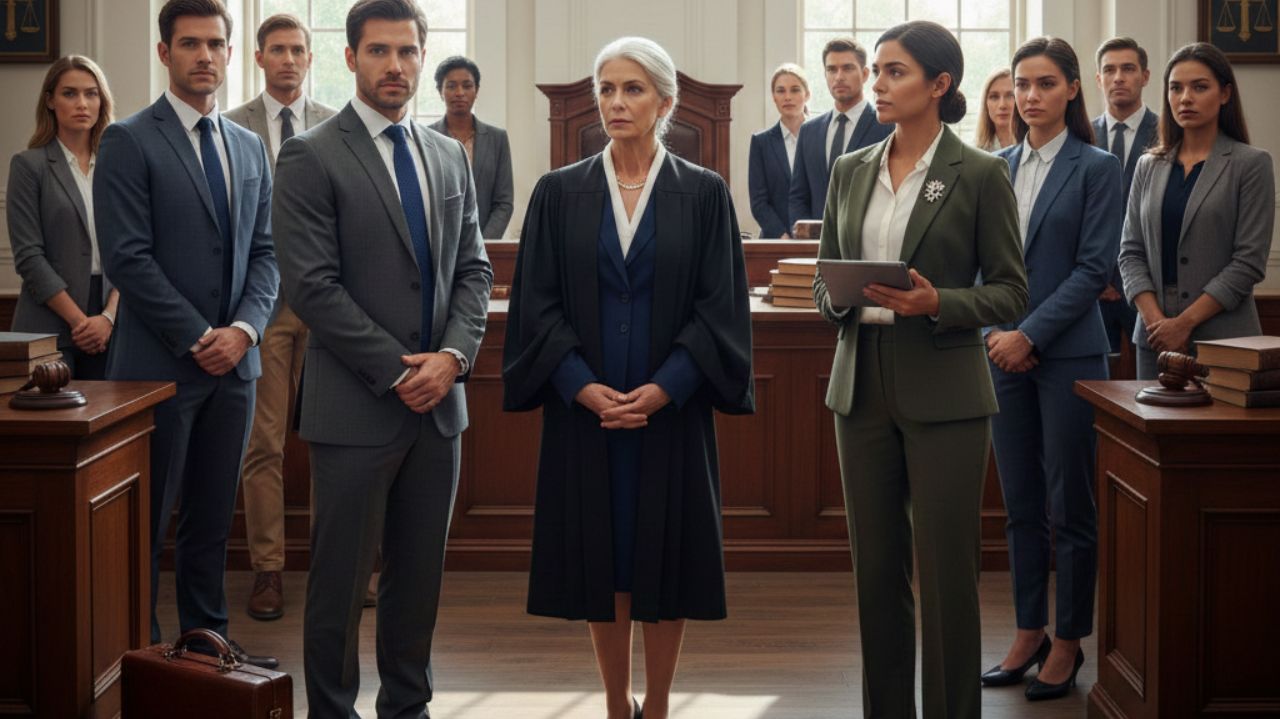
Courtroom attire isn’t just about fashion—it’s about respect, authority, and how others perceive you. Judges, juries, and attorneys subconsciously judge you based on your appearance, so dressing appropriately can positively influence the impression you make. Proper clothing conveys seriousness and credibility, while casual or flashy outfits can unintentionally suggest a lack of respect or preparation.
The Role of Professionalism in Court
Professionalism goes beyond clothing style—it reflects in how you carry yourself. Court is a formal setting, and your attire should mirror that. Avoid overly casual clothing like jeans, sneakers, or t-shirts. Instead, opt for structured, clean, and modest clothing that communicates respect for the judicial process.
Why First Impressions Matter
Studies in psychology show that first impressions are formed within seconds. A well-chosen outfit can help establish authority, trustworthiness, and competence. In court, these perceptions can subtly influence judges and juries, especially in cases where credibility is crucial. Your clothing choice can support your case by reinforcing your seriousness and attention to detail.
Key Guidelines for Courtroom Attire for Women
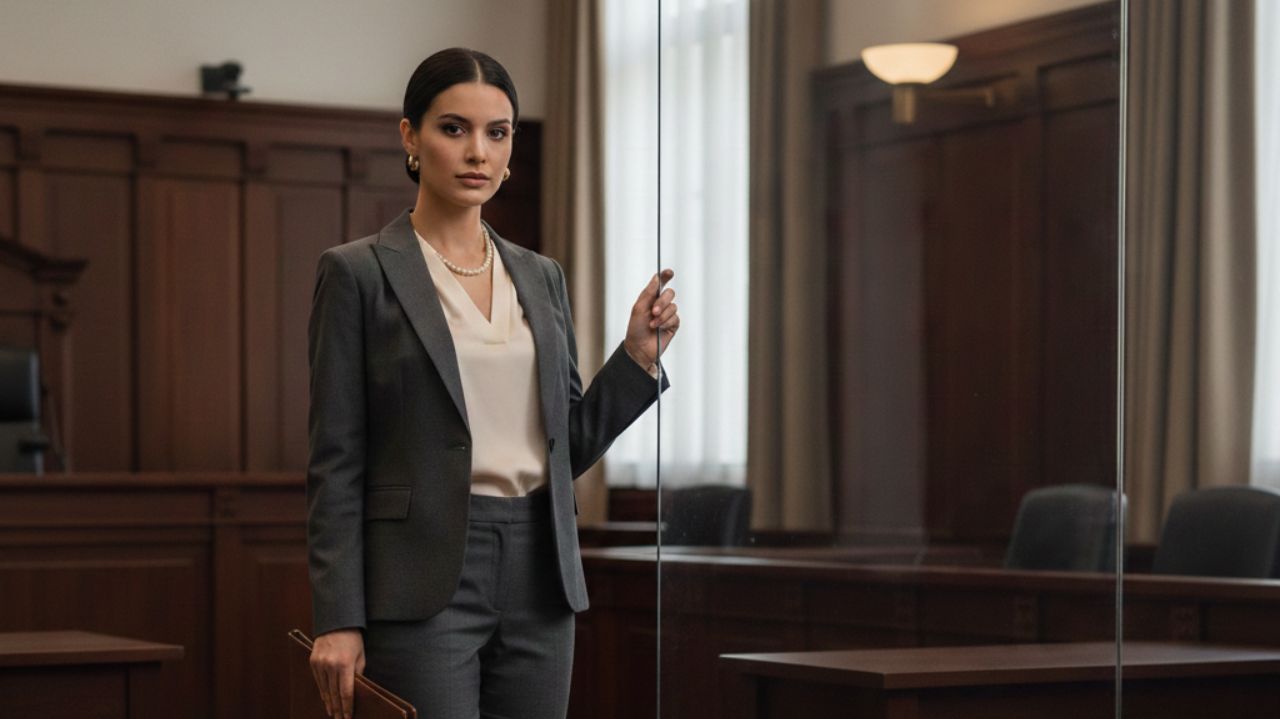
Dressing for court is about balancing professionalism, comfort, and confidence. Here are the core principles to follow:
-
Modesty: Avoid low-cut tops, short skirts, or revealing clothing.
-
Neutral Colors: Stick to navy, black, gray, or beige. Bright colors or flashy patterns can distract.
-
Tailored Fit: Clothing should fit well but not be tight. Baggy or overly loose clothing can look sloppy.
-
Minimal Accessories: Keep jewelry simple and avoid anything that jangles or distracts.
-
Closed-Toe Shoes: Opt for professional flats or heels under 3 inches.
Tops and Blouses for Court
The top you choose is a key part of your court outfit. Prioritize structured blouses or tailored shirts that maintain a professional look. Fabrics like cotton, silk blends, or light wool are ideal because they resist wrinkles and maintain shape.
Recommended Styles
-
Button-up shirts in neutral colors
-
Structured blouses with modest necklines
-
Lightweight sweaters or cardigans in darker shades
Avoid overly bright prints, plunging necklines, or sleeveless tops that may appear too casual.
Dresses and Skirts: Striking the Right Balance
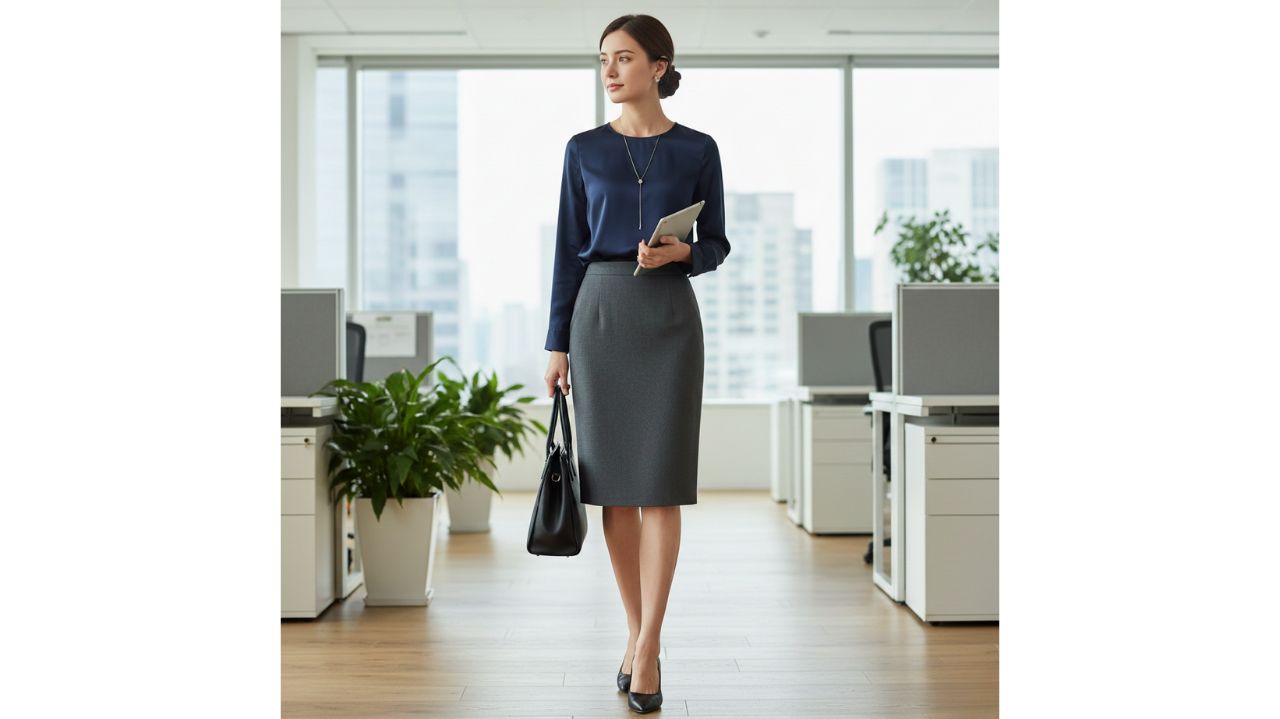
Dresses and skirts can be appropriate if they adhere to modesty and professionalism standards. A knee-length pencil skirt or a simple sheath dress in a solid, dark color can look polished and professional.
Tips for Dresses and Skirts
-
Choose knee-length or midi-length skirts
-
Avoid tight-fitting or bodycon styles
-
Stick to solid, neutral colors
-
Pair with closed-toe shoes and neutral hosiery if needed
A structured dress with a blazer can be particularly effective, combining professionalism with femininity.
Pants and Suits: Classic Courtroom Choices
Tailored pants or a professional suit are the safest choice for most courtroom appearances. Suits convey authority, competence, and seriousness, especially when paired with a simple blouse.
How to Select the Right Suit
-
Choose a dark, solid color (navy, black, gray)
-
Ensure proper fit: pants should not be too tight or baggy
-
Pair with a tailored blazer
-
Keep accessories minimal
For an added touch of professionalism, you can coordinate your blazer with subtle jewelry and a simple handbag.
Footwear: Professional and Comfortable
Your shoes should complement your outfit while remaining professional and comfortable. Courtrooms often involve walking and standing, so comfort matters.
Recommended Footwear
-
Closed-toe pumps under 3 inches
-
Professional flats in neutral colors
-
Avoid sneakers, sandals, or flashy shoes
Neutral-colored shoes, such as black, beige, or navy, work best and won’t distract from your overall appearance.
Accessories: Less is More
Accessories can enhance your outfit, but overdoing it can appear unprofessional. Choose simple, understated pieces that complement your outfit without drawing attention.
Accessory Guidelines
-
Small stud earrings or a simple chain necklace
-
Minimalist watches
-
Small, structured handbags
-
Avoid large, flashy jewelry
Remember, in court, you want the focus to be on your words and credibility—not your accessories.
Makeup and Grooming for Court
Makeup should be subtle and professional, enhancing your features without being distracting. Grooming is equally critical, as messy hair or chipped nails can reduce the impression of professionalism.
Makeup Tips
-
Neutral eyeshadow shades
-
Light foundation and powder
-
Subtle lip colors (nude, pink, or light mauve)
-
Avoid heavy eyeliner or bright lipstick
Hair and Nails
-
Hair should be neat and pulled back if necessary
-
Avoid extreme hairstyles or bright hair colors
-
Nails should be clean and trimmed, neutral polish preferred
Colors That Convey Authority and Respect
The color palette you choose can influence perception. Neutral and muted colors convey seriousness and authority, while bright colors can sometimes appear too casual or attention-seeking.
Recommended Colors
-
Navy blue – trust and professionalism
-
Black – authority and seriousness
-
Gray – neutrality and balance
-
Beige or taupe – understated elegance
Avoid bright reds, neon shades, or busy patterns, which may distract or appear unprofessional.
Fabrics and Materials: Comfort Meets Professionalism
Choosing the right fabric ensures your outfit looks polished and remains comfortable during long proceedings.
Best Fabrics for Court
-
Wool blends for suits
-
Cotton or silk blends for blouses
-
Polyester blends for wrinkle resistance
Avoid overly casual fabrics like denim, jersey, or spandex, which can undermine your professional image.
Layering: Blazers, Jackets, and Cardigans
Layering is useful for maintaining a polished appearance while adapting to the courtroom environment. Blazers and tailored jackets add structure and authority, while cardigans can soften a look if needed.
Layering Tips
-
Choose fitted blazers in neutral colors
-
Avoid oversized or bulky jackets
-
Match layers with your shoes and accessories for a cohesive look
Layering also allows flexibility if the courtroom temperature is cool or fluctuates.
The Do’s and Don’ts of Courtroom Fashion
To summarize, here’s a quick checklist:
Do’s
-
Dress conservatively and modestly
-
Choose neutral colors and simple patterns
-
Keep accessories minimal
-
Wear well-fitted clothing
-
Ensure hair and nails are neat
Don’ts
-
Wear jeans, shorts, or casual tops
-
Choose bright or flashy colors
-
Over-accessorize with large jewelry
-
Wear overly tight or revealing outfits
-
Wear sneakers or casual footwear
Psychological Impact of Your Courtroom Attire
Your outfit doesn’t just reflect your style—it communicates credibility, professionalism, and seriousness. Research shows that formal attire can increase perceptions of authority, while casual clothing may unconsciously reduce your perceived competence.
Clothing and Confidence
Dressing appropriately also boosts your own confidence. When you feel put-together, you’re more likely to speak clearly, stay calm, and project authority in court. This subtle psychological edge can make a real difference.
Special Considerations: Court Type and Role
Different types of court and your role in the case may influence your clothing choices.
Litigants vs. Attorneys
-
Litigants: Stick to neutral, modest outfits. Avoid looking like you’re trying too hard.
-
Attorneys: Professional suits and conservative business attire are expected.
Civil vs. Criminal Court
-
Civil Court: Slightly more flexibility, but professionalism is still key.
-
Criminal Court: Conservative, dark colors are safest; maintain a serious, respectful appearance.
Preparing Your Court Outfit in Advance
Planning ahead prevents last-minute stress and ensures you’re fully prepared.
Tips for Preparation
-
Lay out your outfit the night before
-
Ensure all pieces are clean, pressed, and free of wrinkles
-
Pack a simple, professional bag for documents
Preparation reduces anxiety and allows you to focus on your case rather than your clothing.