What Glass Skin Means
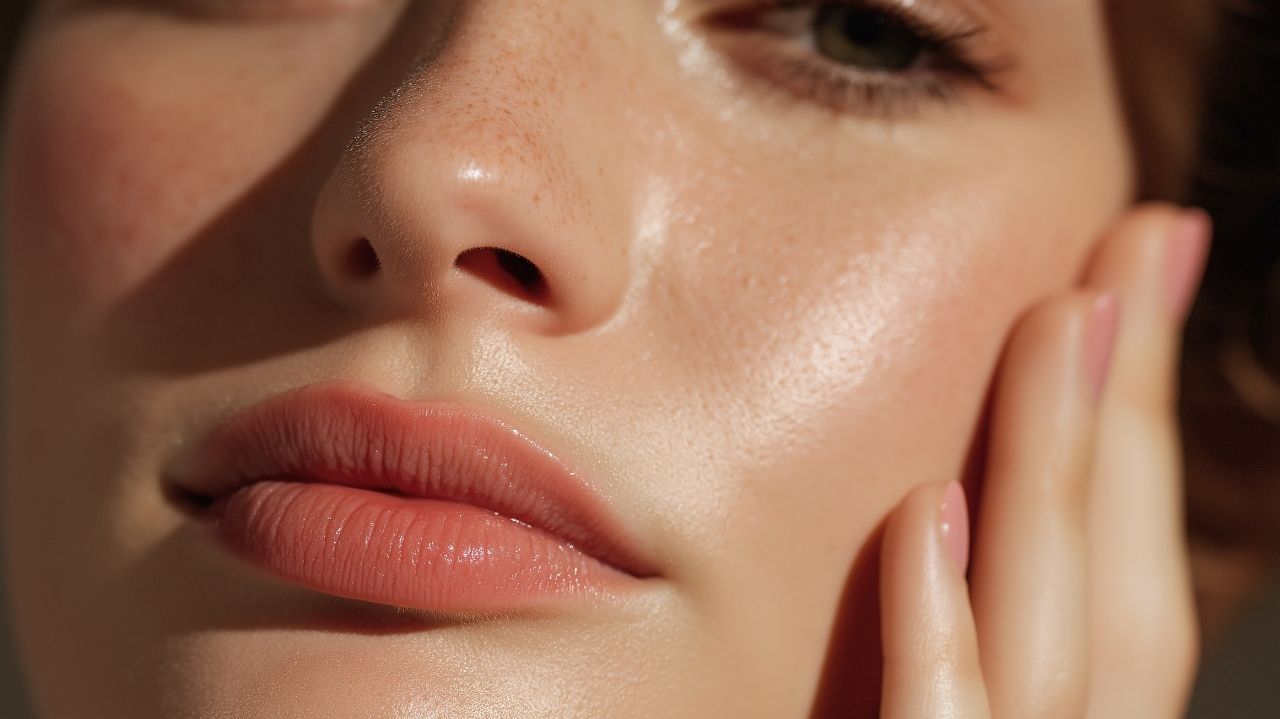
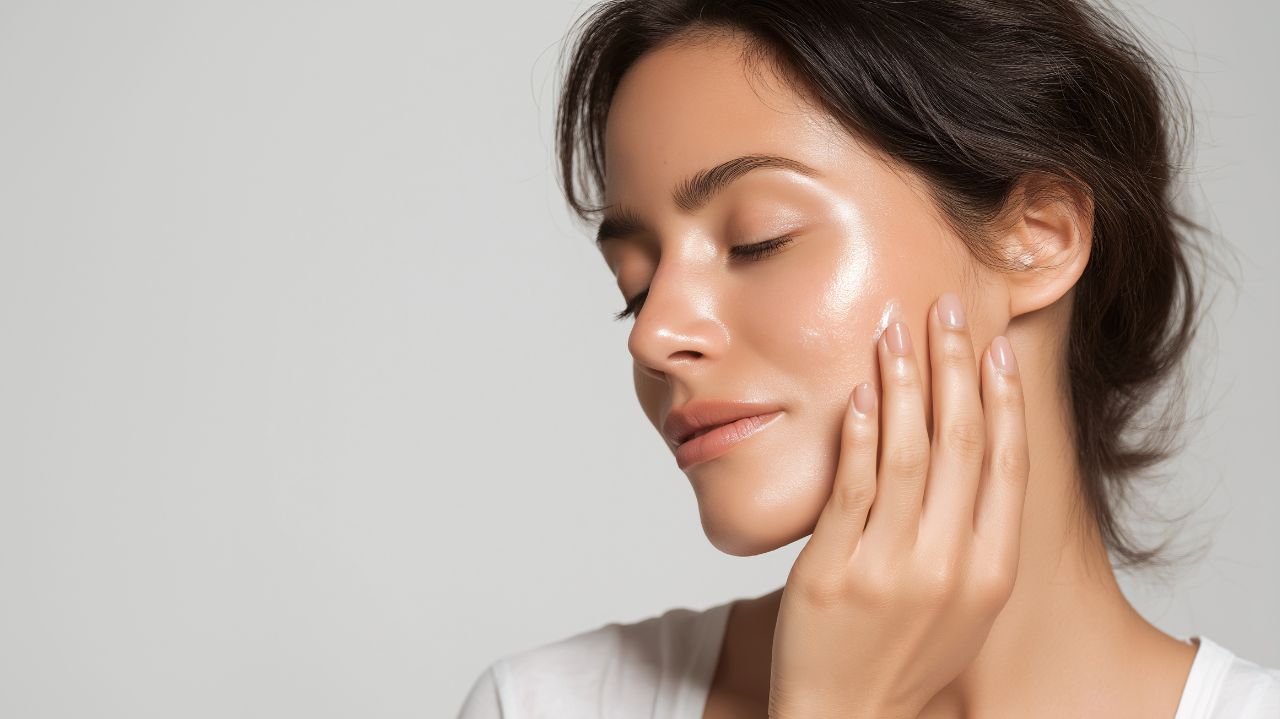
Glass skin refers to a complexion that looks intensely smooth, hydrated, and radiant so that it almost appears translucent with a reflective, glass-like finish. The term came out of Korean beauty culture where skincare is aimed at nurturing healthy skin rather than masking it with heavy makeup. This look emphasizes dewy, well-moisturized skin with minimal texture, even tone, and a natural luminosity.
Unlike a matte finish, glass skin is about glow and clarity. It signals skin that is healthy, well balanced, and thoroughly nourished from consistent skincare care rather than instant makeup tricks.
Why Glass Skin Is So Popular
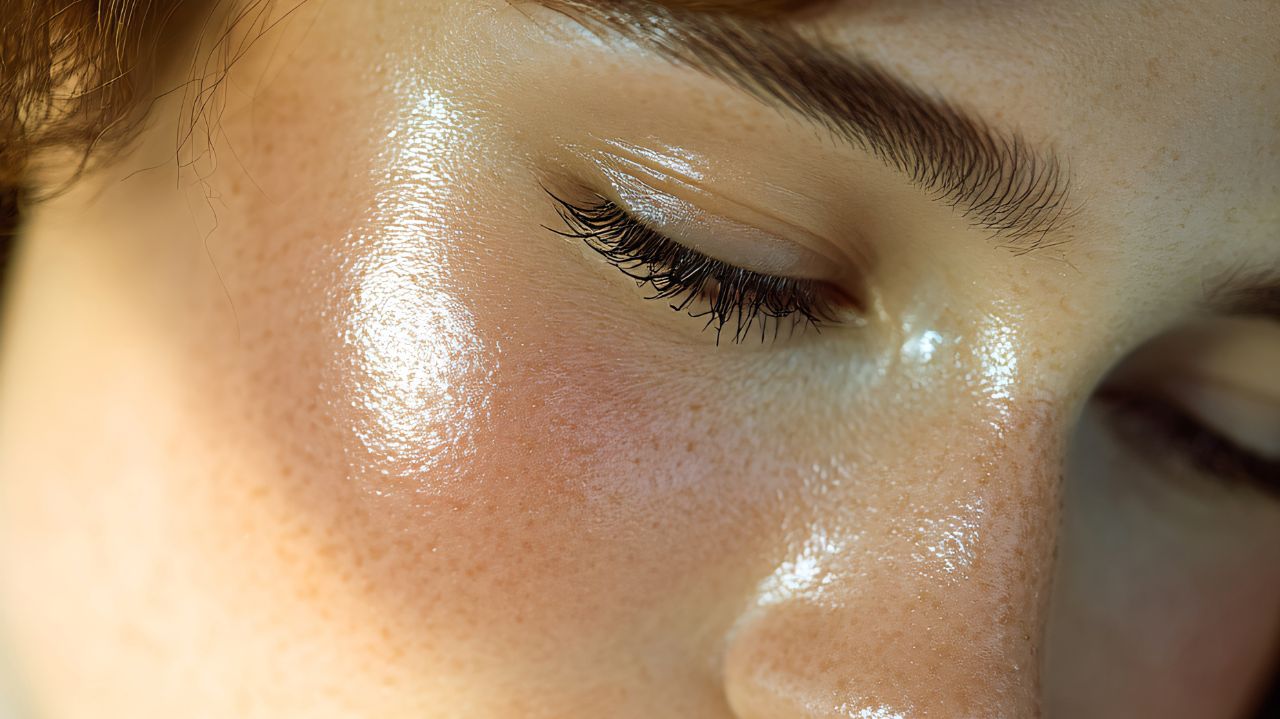
Glass skin became popular through Korean beauty rituals and social media, where influencers and skincare lovers showcased routines centered on hydration and layering products for maximum radiance.
People are drawn to this look because it reflects vitality, youthfulness, and wellness. It also fits the modern shift toward embracing natural beauty and minimal makeup, focusing on glowing skin rather than heavy coverage.
Aside from aesthetics, glass skin routines promote overall skin health by encouraging hydration, barrier support, and sun protection — key elements in preventing premature aging and dullness.
Core Elements of a Glass Skin Routine
Hydration and Moisture
Hydration is at the heart of glass skin. Water-attracting ingredients like hyaluronic acid draw moisture into the skin, while layering lightweight hydrating toners, essences, and serums plumps the skin from within. This helps skin reflect light evenly and appear smooth and glowing.
Moisturizers help lock in that hydration. Look for ceramides, squalane, and glycerin to strengthen the skin barrier and prevent moisture loss.
Texture and Exfoliation
Smoother skin surface improves the glass effect. Gentle exfoliation with chemical exfoliants helps remove dead skin cells without abrasive scrubbing, revealing fresher, brighter skin underneath. Over time, this reduces the look of rough patches and allows hydrating products to penetrate better.
Sun Protection and Barrier Support
Daily broad spectrum SPF protects against UV damage that can lead to pigmentation, texture irregularities, and premature aging — all of which diminish the glass skin appearance. Including SPF with hydrating properties can also enhance the radiant finish without sacrificing protection.
Step-by-Step Guide to Get Glass Skin
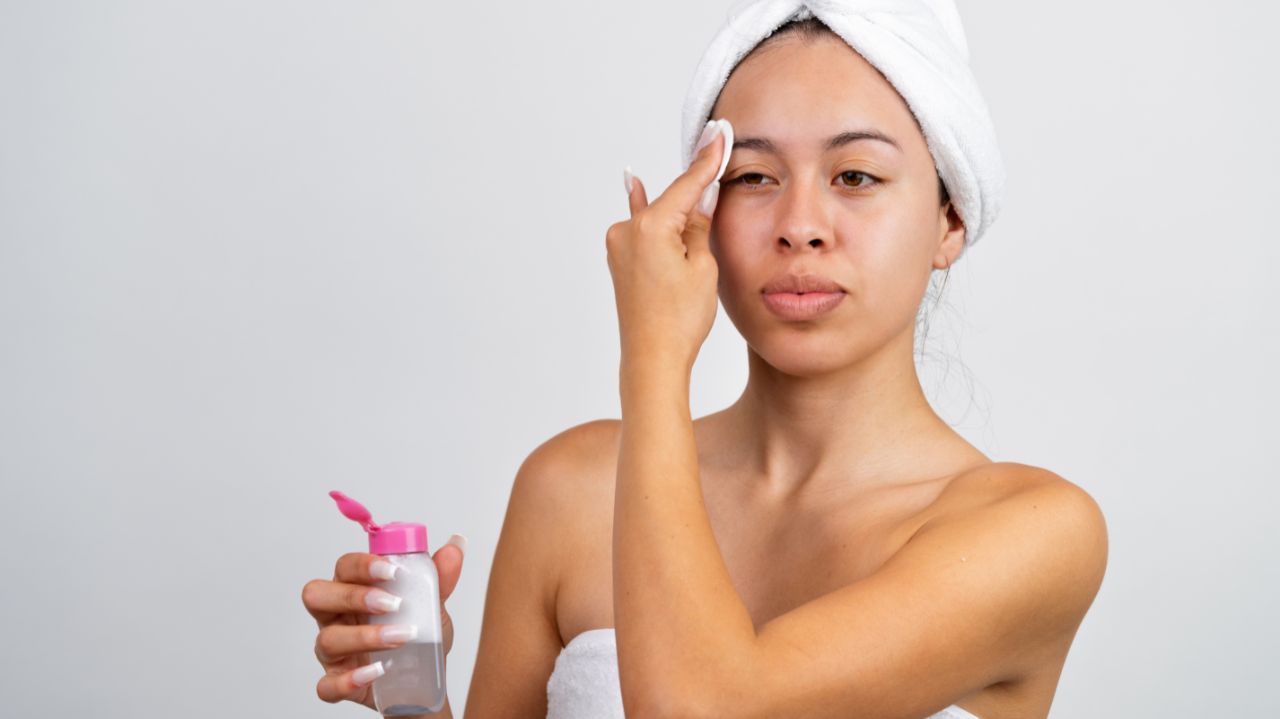
- Cleanse gently: Start with a double cleanse if you wear makeup. An oil-based cleanser removes sunscreen and daily grime, followed by a gentle water-based cleanser.
- Hydrating toner or essence: Apply a hydrating toner or essence on slightly damp skin to help products layer and absorb effectively.
- Serums: Choose serums with hyaluronic acid, niacinamide, or vitamin C to build moisture and brighten the complexion.
- Moisturizer: Seal the routine with a moisturizer suited to your skin type to lock in hydration.
- Sunscreen: Every morning, finish with SPF 30 or higher. Protecting skin helps maintain even tone and smooth texture.
- Weekly exfoliation: Once or twice a week, use a gentle exfoliant to slough off dead skin cells and help other products work better.
Consistency matters. Achieving glass skin is not an overnight promise but the result of regular skin care habits and lifestyle choices that support skin health.
Common Glass Skin Mistakes to Avoid
- Skipping SPF: Sun damage undoes all efforts toward clear, smooth skin.
- Over-exfoliating: Too much exfoliation can irritate skin and compromise the moisture barrier.
- Heavy, occlusive products: Thick ointments can trap sweat and oils, making skin look greasy rather than radiant.
- Ignoring hydration: Without building moisture from within, surface products only sit on top.
Products and Ingredients That Work
Achieving glass skin doesn’t mean buying every trending item. Focus on key hydrating and barrier-supporting ingredients:
- Hyaluronic acid draws hydration into skin.
- Niacinamide helps with texture, tone, and barrier support.
- Ceramides and squalane lock in moisture.
- Gentle exfoliants like AHA/BHA help refine texture.
- SPF is non-negotiable for lasting skin health.
Realistically, glass skin means skin that appears healthy and radiant under natural light. Genetics, age, and lifestyle all influence how skin looks, and routines should be tailored for individual needs.
FAQ About Glass Skin
Q1 What is the difference between glass skin and glowing skin?
Glass skin refers to a smooth, deeply hydrated, luminous complexion and glowing skin is more general radiance. Glass skin implies a nearly poreless, reflective finish whereas glow can be a broader term.
Q2 Can any skin type achieve glass skin?
Yes. All skin types can work toward hydration and smoothness. The routine may vary depending on oily, dry, or sensitive skin.
Q3 How long does it take to see glass skin results?
Consistent routines can show improvement in weeks, but a full transformative look often takes months of hydration and barrier-building.
Q4 Is makeup required for glass skin?
No. True glass skin is skincare based. Makeup can enhance the effect but is not essential.
Q5 Can people with acne get glass skin?
Yes with customization. Start with gentle hydration, calm inflammation, and use products suited to acne-prone skin.
Q6 Are expensive products necessary for glass skin?
Not always. Many affordable products with good humectants and humectants can help build hydration and radiant skin.