original article you shared. The article below includes a bit of history, ingredients, expert opinions, at‑home tips, comparison to other manicures, and how to choose a salon or DIY, all in clear, well‑structured English.
Japanese Manicure: The Complete Guide to Natural, Healthy Nails
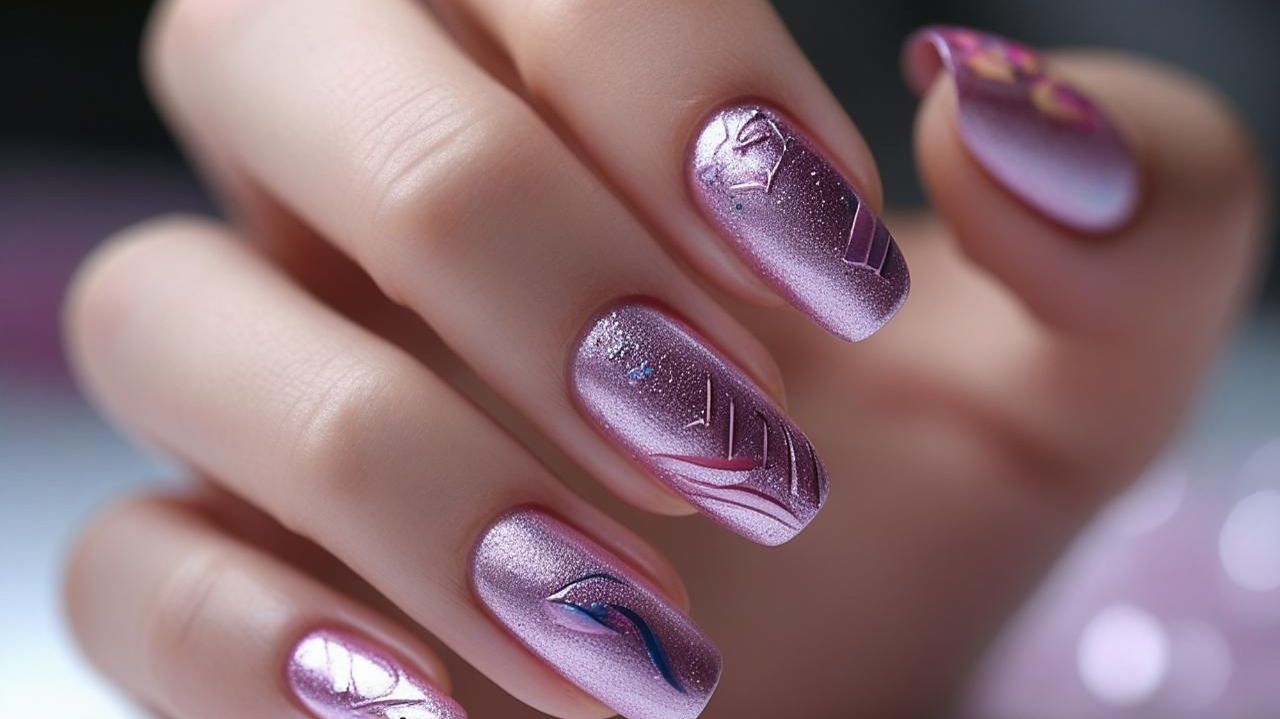
Japanese manicure has become one of the most talked‑about nail treatments in the beauty world — and for good reason. Unlike regular polish or gel manicures that focus on color or design, this treatment prioritizes the health and strength of your natural nails while giving them a beautiful, glass‑like shine.
What Is a Japanese Manicure?
A Japanese manicure is a traditional nail care method originating from Japan that focuses on nourishing and strengthening your nails using natural ingredients and gentle techniques — without harmful chemicals or UV lights.
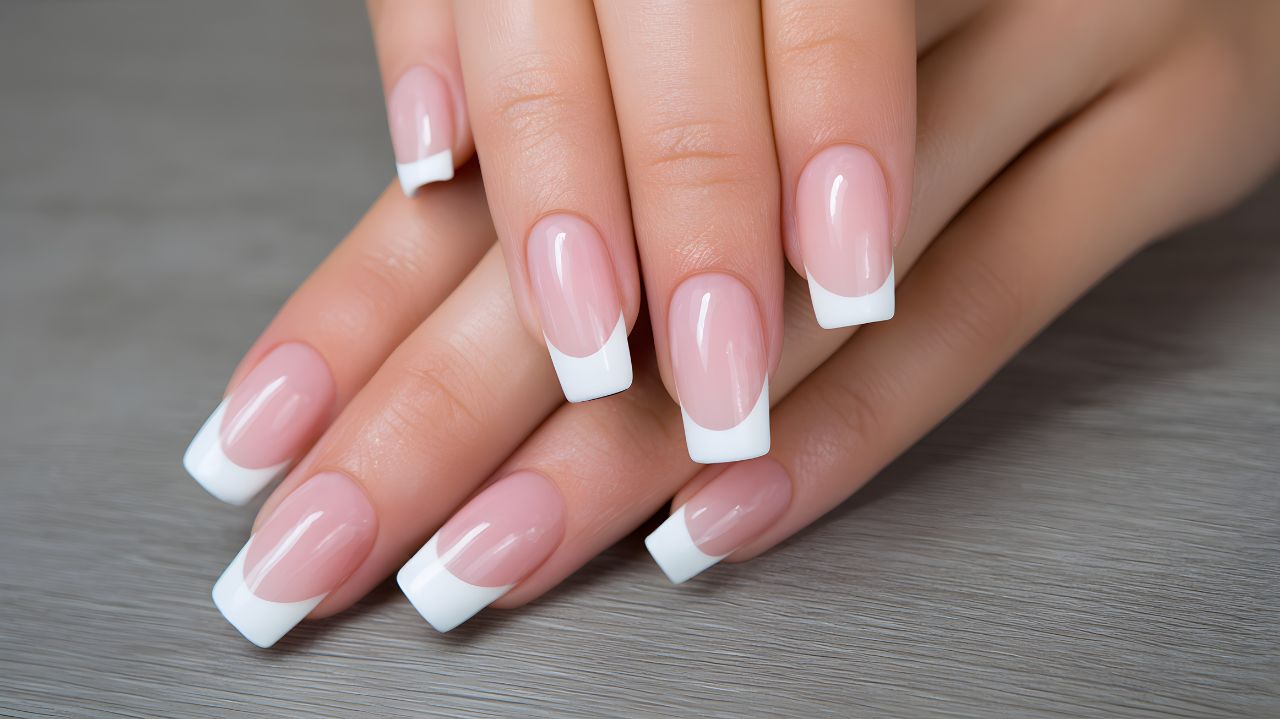
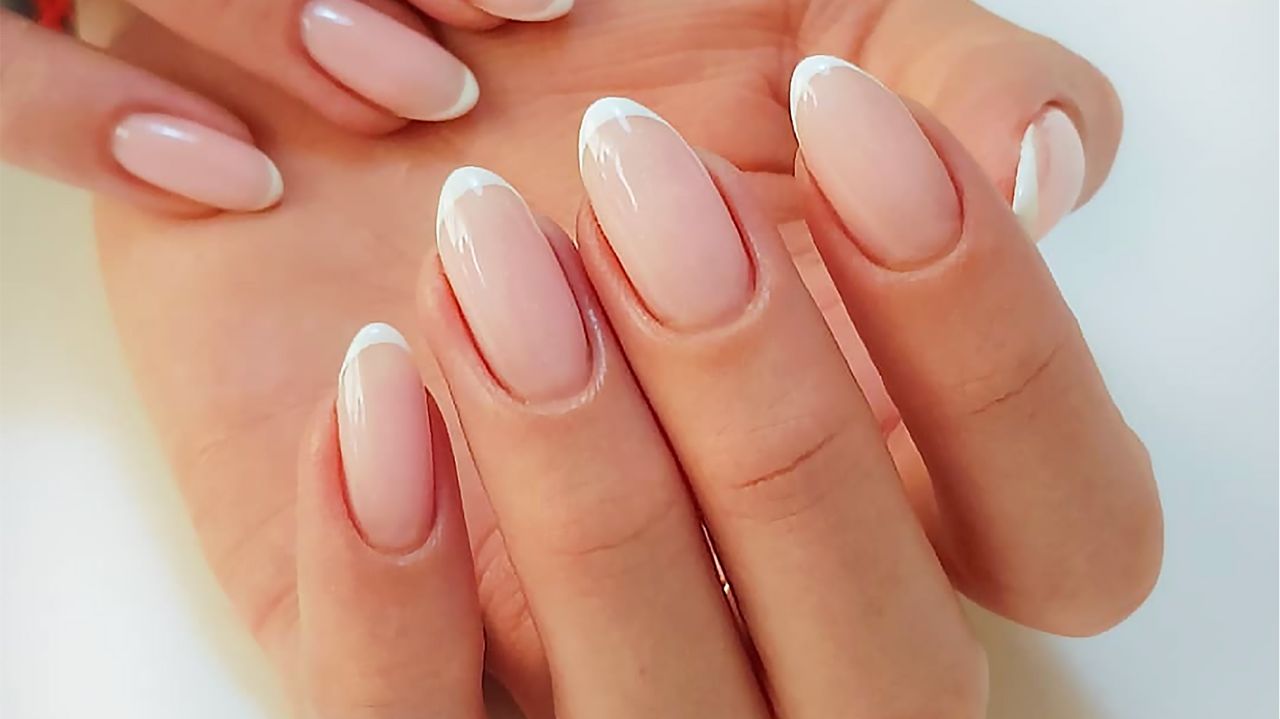
Rather than applying color, a special nutrient‑rich paste is massaged deeply into the nail plate, and the nails are then polished until they develop a natural shine that looks almost like clear polish.
History and Origins
The roots of Japanese manicure go back hundreds of years. It was originally developed in Japan as part of traditional beauty rituals that celebrated natural elegance and nail health rather than flashy decoration. Aristocrats and nobility often used similar techniques to maintain healthy nails without synthetic products.
Although modern salons have refined the method, the core idea remains the same: strengthening and protecting the natural nail using gentle, nourishing ingredients.
How It Works: Step‑by‑Step Process
A Japanese manicure is more than just filing and buffing. Below is a typical salon procedure:
-
Cleaning and Shaping
Nails are cleaned, old product is removed, and the nail is shaped evenly for a smooth foundation. -
Cuticle Care
Cuticles are softened with natural oil and gently pushed back to promote healthy growth. -
Nutrient Paste Application
A paste containing ingredients like beeswax, keratin, sea minerals, vitamins, silica, and bee pollen is applied. These ingredients penetrate the nail plate to strengthen and nourish. -
Buffing and Polishing
Soft buffers (often made of cloth or leather) help work the nutrients into the nail and bring out a high‑gloss, natural shine. -
Final Nourishing Oil
A nourishing oil seals in moisture and protects both the nails and cuticles.
Most sessions take about 45–60 minutes — longer than a typical polish change, but much more beneficial for long‑term nail health.
Key Ingredients That Make It Work
The magic of a Japanese manicure lies in its nourishing components:
-
Beeswax – Strengthens and protects the nail plate.
-
Keratin & Vitamins (A, E) – Penetrate deeply to support nail growth and repair.
-
Sea Minerals & Silica – Help rebuild the nail structure and improve texture.
-
Bee Pollen or Natural Powders – Add hydration and boost shine.
These ingredients work together to strengthen brittle nails, smooth ridges, and enhance natural color — all without synthetic chemical exposure.
Benefits You Can Expect
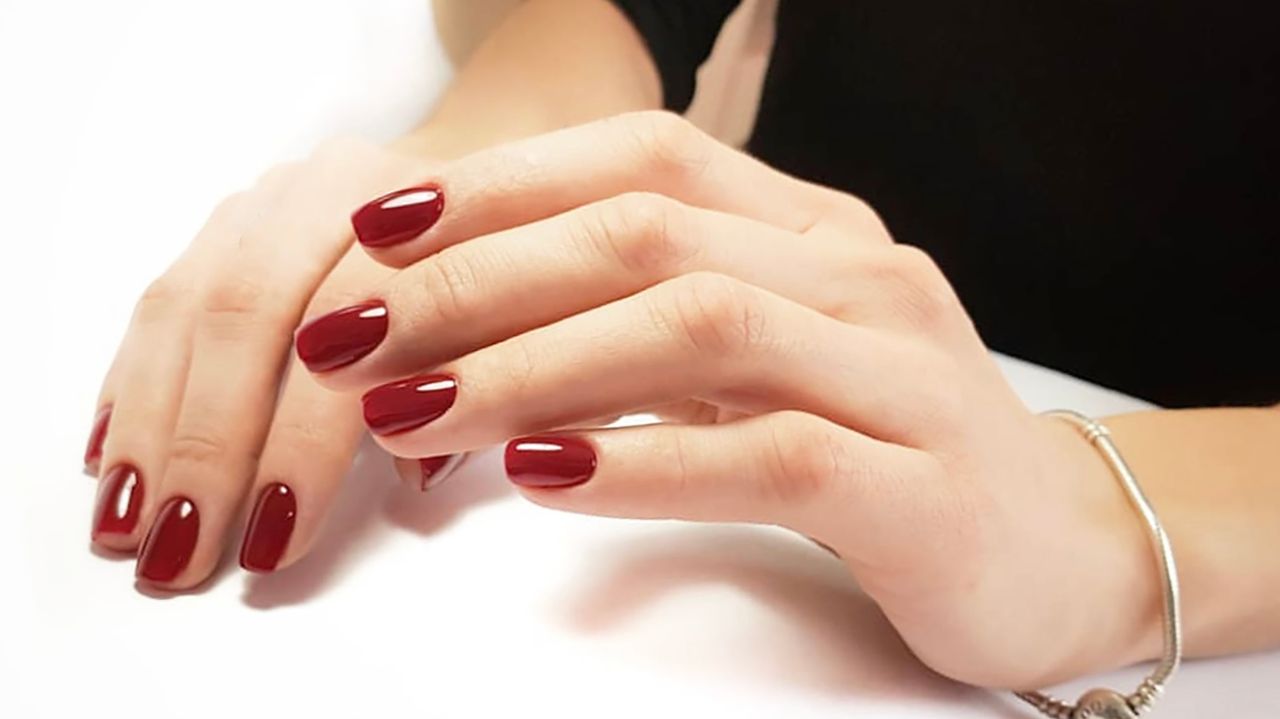
A Japanese manicure offers multiple advantages, especially for nail health:
1. Stronger, Healthier Nails
The treatment rebuilds and reinforces weak nails, reducing breakage and peeling.
2. Natural Gloss and Texture
Instead of artificial shine from polish, your nails gain a soft, natural sheen that lasts 2–3 weeks.
3. Deep Nourishment
Rich in natural nutrients, it helps deeply hydrate the nail and cuticle area.
4. Improved Growth
Regular treatments may accelerate nail growth and support healthier structure.
5. Gentle and Chemical‑Free
Safe for sensitive skin or individuals prone to allergies from regular polish.
6. Repairs Prior Damage
It is excellent for nails recovering from strong gel, acrylics, or frequent polish use.
Japanese Manicure vs. Other Nail Treatments
| Feature | Japanese Manicure | Traditional Gel | Acrylic Nails |
|---|---|---|---|
| Main Goal | Nail health & shine | Colored style | Length & shape |
| Chemical Use | ❌ No | ✔️ Yes | ✔️ Yes |
| UV Light | ❌ No | ✔️ Yes | ❌ No |
| Effect on Nails | Strengthens nails | Can weaken over time | Often damaging |
| Longevity | ~2–3 weeks | ~3–4 weeks | ~4–6 weeks |
Compared to traditional manicures, Japanese manicures trade bold color for deep nail care and natural beauty — making them ideal for people prioritizing health over style.
Does It Really Repair Damaged Nails?
Yes — with repeated treatments (usually every 2–3 weeks), the nourishing formulas help rebuild damaged nails and promote healthier growth patterns.
Most people begin to see noticeable improvement after 2–4 sessions.
How Long it Lasts & Aftercare Tips
Duration
The glossy finish typically lasts 2–3 weeks, gradually fading as the nails grow out.
Aftercare for Longer Results
-
Apply cuticle oil daily
-
Avoid acetone‑based removers
-
Gently re‑buff nails weekly
-
Wear gloves while washing dishes or cleaning
These simple habits help maintain shine and support long‑term nail health.
Salon vs. DIY: What You Should Know
Professional Salon
Going to a salon ensures:
-
Expert application
-
Correct buffing technique
-
High‑quality products
If you’re new to this treatment or have damaged nails, a professional service is recommended.
DIY at Home
You can also use at‑home kits (like P‑Shine kits mentioned by users online) that include the paste and buffing tools.
DIY can be more affordable, but technique matters — improper buffing can damage the nails.
Is a Japanese Manicure Right for You?
This manicure is perfect if:
✔ Your nails are weak, brittle, or damaged
✔ You prefer a natural look
✔ You want chemical‑free nail treatment
✔ You want healthier, stronger nails
It may not be ideal if:
✘ You love bold nail colors
✘ You often change designs for events